



Over ninety percent of British property sales involve legal complexities that can trip up even experienced homeowners. With government-led reforms and digital transformations reshaping the process, understanding the latest legal fundamentals is critical for protecting both buyers and sellers. This guide breaks down the most important legal steps, required documents, contract changes, and the risks every British property seller and buyer needs to know before their next move.
Table of Contents
- Legal Fundamentals For UK Property Sales
- Key Documents And Mandatory Disclosures
- Updated Sale Contracts And 2025 Compliance
- Timing, Deadlines, And Chain Risks Explained
- Fee Transparency And Avoiding Hidden Costs
- Common Pitfalls And How To Avoid Them
Key Takeaways
| Point | Details |
|---|---|
| Legal Documentation is Essential | Sellers must provide comprehensive property information through mandatory disclosures to ensure transparency and minimise legal complications. |
| Conveyancing Process is Crucial | Engaging a professional solicitor for the conveyancing process helps manage legalities and reduces risks in property transactions. |
| Awareness of Costs is Key | Buyers should seek detailed quotes from solicitors and estate agents to understand potential costs and budget accordingly. |
| Risk Management Strategies | Conduct thorough property searches and maintain clear communication to identify and address potential issues early in the transaction process. |
Legal Fundamentals for UK Property Sales
Navigating the legal landscape of property sales requires understanding several critical components that protect both buyers and sellers. UK property transactions involve complex legal requirements designed to ensure transparent, fair exchanges. Government consultations on home buying and selling reforms indicate ongoing efforts to streamline and simplify these processes.
Key legal fundamentals encompass multiple stages of property transactions. Sellers must provide comprehensive property information through standard documentation, including property titles, energy performance certificates, and detailed disclosure statements about the property’s condition. These documents serve as legally binding declarations that reveal any potential issues or restrictions affecting the property. Buyers rely on these disclosures to make informed purchasing decisions and can potentially seek legal recourse if significant undisclosed problems emerge after sale completion.
The conveyancing process represents another crucial legal aspect, involving professional solicitors who manage property transfer legalities. HM Land Registry’s strategic digital transformation aims to modernise property information systems, making transactions more transparent and efficient. Solicitors conduct essential legal searches, verify property ownership, check for potential boundary disputes, and ensure all financial and legal obligations are properly fulfilled before finalising the sale.
Pro Tip for Property Sales: Maintain comprehensive documentation and communicate openly with your solicitor to minimise potential legal complications during your property transaction.
Additional Key Legal Considerations:
- Verify all property boundaries and potential land disputes
- Understand local planning permissions and property restrictions
- Check for any outstanding legal charges or encumbrances
- Ensure all required certificates are current and valid
Key Documents and Mandatory Disclosures
Property transactions in the United Kingdom require a comprehensive set of documents that ensure transparency, legal compliance, and protection for both buyers and sellers. The government’s consultation on material information in property listings underscores the critical importance of providing accurate and complete information during the sales process.
Sellers are legally obligated to compile and present several key documents that provide potential buyers with a comprehensive understanding of the property. These mandatory disclosures typically include the property information form (TA6), which details the property’s condition, boundaries, disputes, alterations, and any potential issues. Energy performance certificates, building regulation certificates for past improvements, and leasehold information forms are equally crucial. Mandatory information requirements for leaseholders and building owners highlight the specific details that must be transparently shared during property transactions.
Additional critical documents include title deeds, which prove property ownership, and recent property searches that reveal potential legal restrictions or environmental concerns. Sellers must disclose any known structural issues, planned developments nearby, ongoing disputes, or potential legal encumbrances that could affect the property’s value or desirability. These documents not only protect the buyer but also shield the seller from potential future legal challenges by ensuring full transparency during the transaction.
Pro Tip for Document Preparation: Gather and organise all property documents well in advance of listing, ensuring completeness and accuracy to facilitate a smooth property sale.
Essential Documents Checklist:
To clarify the importance and impact of key legal documents in a UK property sale, see the summary below:
| Document Type | Primary Purpose | Problems Prevented |
|---|---|---|
| Title Deeds | Proves legal ownership | Disputes over property boundaries |
| Energy Performance Certificate | Shows energy efficiency status | Unexpected energy costs |
| Building Regulation Certificates | Confirms compliance with building standards | Issues with illegal alterations |
| Leasehold Information Form | Outlines lease terms and obligations | Unpleasant surprises for leaseholders |
| Structural Assessment Reports | Reveals structural integrity | Expensive repairs after purchase |
- Property information form (TA6)
- Energy performance certificate
- Title deeds
- Building regulation certificates
- Leasehold information forms
- Warranty documents for recent improvements
- Electrical and gas safety certificates
Updated Sale Contracts and 2025 Compliance
Government plans to modernise home buying and selling are driving significant changes in property sale contracts for 2025. These reforms aim to reduce transaction times, minimise legal complications, and create more transparent processes for both buyers and sellers. The evolving landscape demands a comprehensive understanding of new contractual requirements and compliance standards that will shape property transactions.

The updated sale contract framework introduces more rigorous standards for legal documentation and transaction commitments. Sellers must now provide more detailed information upfront, with binding pre-contract agreements that reduce the likelihood of last-minute withdrawals. HM Land Registry’s strategic digital transformation supports these changes by implementing digital services that streamline verification processes and enhance overall transaction transparency. These digital innovations will require sellers to maintain more precise and accessible property records, ensuring smoother and more efficient property transfers.
Key compliance requirements for 2025 include enhanced disclosure protocols, more stringent verification processes, and increased digital documentation standards. Property sellers must now demonstrate comprehensive property history, including detailed maintenance records, potential structural issues, and any ongoing legal considerations. The new regulations emphasise proactive communication, requiring sellers to provide a more holistic view of the property’s condition and potential challenges before finalising the sale. These changes aim to reduce post-sale disputes and create a more transparent property market.
Pro Tip for Contract Preparation: Create a comprehensive digital portfolio of your property documents in advance, ensuring all information is current, accessible, and meticulously organised.
2025 Sale Contract Compliance Checklist:
Compare pre-2025 sale contract practices to the updated 2025 compliance standards in UK property transactions:
| Aspect | Pre-2025 Process | 2025 Contract Reforms |
|---|---|---|
| Disclosure Requirements | Basic information, prone to gaps | Enhanced detail, full transparency |
| Verification Process | Paper-based, slower validation | Digital, faster and more robust |
| Documentation Format | Mixed physical and digital records | Strictly digital, standardised |
| Risk of Withdrawal | Last-minute exits more common | Binding pre-contract agreements |
- Comprehensive digital property documentation
- Detailed maintenance and repair history
- Updated structural assessment reports
- Complete legal disclosure statements
- Verified property boundary information
- Energy performance and sustainability certificates
- Digital verification of ownership documents
Timing, Deadlines, and Chain Risks Explained
Government initiatives to reduce property transaction times are transforming the traditional property sale landscape. The average completion time of 120 days has long been a source of frustration for buyers and sellers, creating uncertainty and potential financial strain. Understanding the intricacies of transaction timing and potential chain risks is crucial for navigating the property market successfully.
The property transaction chain represents a complex network of interconnected sales that can dramatically impact timing and completion. Each transaction depends on multiple parties simultaneously completing their respective purchases and sales, creating a domino effect where a single delay can potentially disrupt the entire chain. Home buying and selling reform consultations highlight the critical need for more transparent, efficient processes that minimise the risks associated with these intricate property transaction networks.
Key strategies for mitigating chain risks include obtaining comprehensive mortgage agreements in principle, conducting thorough property searches in advance, and maintaining clear communication with all parties involved. Buyers and sellers must be prepared for potential complications, such as survey discoveries, mortgage valuation challenges, or unexpected legal issues that could cause significant delays. Proactive planning, including having contingency funds and flexible moving arrangements, can help manage the inherent uncertainties of property transactions.
Pro Tip for Chain Management: Maintain open communication channels with your estate agent and solicitor, and be prepared to act quickly if unexpected challenges arise in the transaction chain.
Critical Chain Risk Management Strategies:
- Secure mortgage agreement in principle early
- Complete property searches before making offers
- Maintain financial flexibility
- Have alternative accommodation arrangements
- Keep all transaction parties informed
- Build contingency funds for unexpected delays
- Consider property insurance to protect against chain breakdown
Fee Transparency and Avoiding Hidden Costs
Government reforms aimed at reducing homebuying costs are transforming the property transaction landscape, addressing long-standing concerns about unexpected expenses. Property buyers and sellers must now navigate a more complex financial environment where upfront transparency is becoming increasingly critical. Understanding the full spectrum of potential costs can prevent significant financial surprises during the property transaction process.
The fee breakdown in property transactions typically includes multiple components that can quickly escalate beyond initial expectations. Conveyancing fees, search costs, survey expenses, mortgage arrangement fees, and potential stamp duty charges represent just a portion of the potential financial considerations. Material information guidelines for property listings emphasise the importance of providing comprehensive cost information to potential buyers, ensuring they can make fully informed financial decisions before committing to a purchase.
Most property transaction expenses fall into several key categories: legal fees, property searches, mortgage-related charges, valuation costs, and potential additional disbursements. Buyers should request detailed, itemised quotes from solicitors and estate agents, ensuring they understand every potential charge. Some frequently overlooked expenses include drainage searches, environmental investigations, land registry fees, and potential structural survey costs that can significantly impact the overall transaction budget.
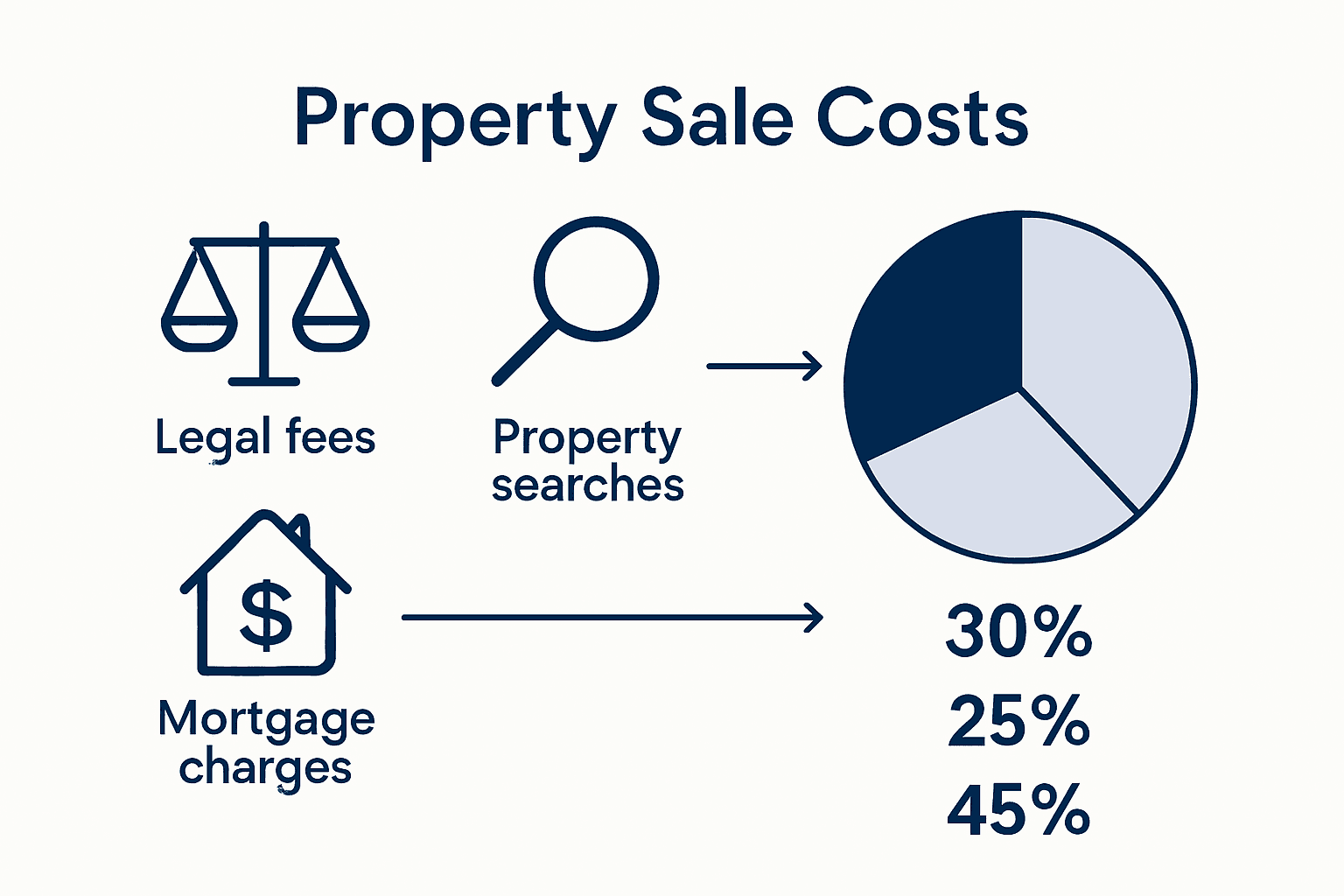
Pro Tip for Cost Management: Request a comprehensive, fixed-fee quote that includes all potential disbursements and explicitly outlines any potential additional charges before proceeding with your property transaction.
Critical Cost Transparency Checklist:
- Request itemised fee breakdowns
- Confirm all potential disbursement costs
- Understand mortgage-related charges
- Budget for unexpected survey expenses
- Verify stamp duty calculations
- Check for potential additional legal fees
- Confirm search and investigation costs
Common Pitfalls and How to Avoid Them
Home buying and selling reform consultations highlight the persistent challenges that can derail property transactions. The property market presents numerous potential obstacles that can transform what should be an exciting journey into a stressful experience. Understanding these common pitfalls is the first step in navigating a successful property sale or purchase.
The most significant transaction risks typically emerge from inadequate preparation and communication. Incomplete documentation, unexpected survey findings, chain breakdown, and mortgage valuation discrepancies represent frequent complications that can halt or significantly delay property transactions. Government modernisation plans aim to address these systemic issues by introducing more transparent, streamlined processes that reduce the likelihood of transaction failures.
Specific pitfalls buyers and sellers must carefully navigate include potential legal boundary disputes, unresolved property maintenance issues, incomplete planning permissions, and unidentified structural problems. Sellers must provide comprehensive property information, ensuring full disclosure of any known issues. Buyers should conduct thorough due diligence, including comprehensive property searches, structural surveys, and careful review of all legal documentation. Understanding these potential challenges allows parties to proactively address concerns before they escalate into transaction-threatening complications.
Pro Tip for Risk Mitigation: Conduct comprehensive property investigations early and maintain open, transparent communication with all transaction parties to identify and resolve potential issues promptly.
Critical Transaction Risk Management Strategies:
- Conduct comprehensive property searches
- Obtain detailed structural surveys
- Review all legal documentation meticulously
- Maintain clear communication channels
- Build financial contingency funds
- Understand potential chain complications
- Verify all property-related permissions and certificates
Simplify Your 2025 Property Sale with Expert Conveyancing Support
Navigating the complex legal landscape of property sales in 2025 presents challenges such as enhanced disclosure requirements, stricter documentation rules, and tighter deadlines. For sellers and buyers alike, missing crucial legal details or facing unexpected costs can cause delays and lead to costly mistakes. This article highlights the importance of transparency and thorough preparation but finding a trusted conveyancing solicitor who can guide you smoothly through these new regulations is equally vital.
Conveyancing-Solicitor.co.uk connects you instantly with carefully vetted, five-star conveyancing firms regulated by the SRA or CLC across the UK. Our service offers fixed, transparent fees that could save you up to 75 per cent compared to standard prices. Whether you need guidance to manage complex contract compliance, avoid chain risks, or understand fee transparency, our expert solicitors help you secure a faster, clearer, and more affordable property sale process.
Ready to avoid costly legal pitfalls and get your sale right first time in 2025? Get a free instant quote from trusted local or nationwide conveyancers now. Visit Instant Fixed Quote for full cost transparency and expert advice. For detailed guidance on the conveyancing journey see our Step-by-Step Conveyancing Process and learn how to Find a Conveyancer that suits your needs perfectly. Start your smooth property sale today by choosing expertise that makes a difference.
Frequently Asked Questions
What are the key legal documents needed for property sales in 2025?
Key legal documents for property sales include title deeds, energy performance certificates, property information forms (TA6), building regulation certificates, leasehold information forms, and recent property searches. These documents provide crucial information about the property’s condition and legal standing.
How can I avoid common pitfalls during the property sale process?
To avoid common pitfalls, ensure comprehensive property investigations are conducted, maintain clear communication with all parties involved, and gather all necessary documentation well in advance. Be proactive in addressing potential issues before they escalate into transaction-threatening complications.
What changes are expected in property sale contracts by 2025?
By 2025, property sale contracts will require enhanced disclosure protocols, more rigorous verification processes, and will predominantly use digital documentation. Sellers will need to provide detailed property histories and maintenance records upfront to ensure transparency and compliance.
How can I manage costs during a property sale?
To manage costs, request itemised fee breakdowns from solicitors and estate agents, verify all potential disbursement costs, and budget for unexpected expenses associated with surveys and legal fees. Seeking a comprehensive, fixed-fee quote can also help avoid hidden charges.
Recommended
- The Most Common Mistakes to Avoid When Hiring a Conveyancing Solicitor – Conveyancing Solicitor
- Understanding the Advantages of Using a Solicitor – Conveyancing Solicitor
- Common Mistakes to Avoid When Choosing a Conveyancing Solicitor – Conveyancing Solicitor
- Understanding the Full Costs of Buying a Home: Beyond the Asking Price – Conveyancing Solicitor
