



Shared ownership is helping people get onto the property ladder with far less cash up front. In fact, you can own as little as 25 percent of a home and pay rent on the rest. Most imagine this makes the process simpler and quicker. The reality is the legal work is actually far more complicated than buying the whole property outright.
Table of Contents
- Defining Shared Ownership Conveyancing: What It Is
- The Importance Of Shared Ownership Conveyancing In Property Transactions
- How Shared Ownership Conveyancing Works: Key Processes Explained
- Essential Concepts In Shared Ownership Conveyancing
- Navigating Challenges In Shared Ownership Transactions
Quick Summary
| Takeaway | Explanation |
|---|---|
| Shared ownership enables partial property stakes | Buyers can purchase 25% to 75% of a property, making homeownership feasible for many. |
| Select an experienced conveyancer for success | Specialized legal expertise is crucial for navigating the complexities of shared ownership transactions. |
| Understand leasehold arrangements thoroughly | The ownership structure is leasehold, impacting rights and responsibilities regarding property management. |
| Anticipate resale restrictions with shared ownership | Reselling may require approval from housing associations, limiting potential buyers. |
| Regulatory eligibility criteria are strict | Buyers must meet income and first-time buyer requirements to qualify for shared ownership schemes. |
Defining Shared Ownership Conveyancing: What It Is
Shared ownership conveyancing represents a specialized legal process designed to support individuals who want to purchase property through a unique hybrid ownership model. Shared ownership enables buyers to purchase a portion of a property while paying rent on the remaining share, making homeownership more accessible for those who might struggle with traditional property purchasing methods.
Understanding the Core Concept
At its fundamental level, shared ownership conveyancing involves legal procedures that facilitate the purchase of a partial property stake, typically ranging between 25% and 75% of a property’s total value. This approach allows potential homeowners to enter the property market with a significantly reduced initial financial investment compared to traditional full property purchases.
The key characteristics of shared ownership conveyancing include:
- Partial property ownership through housing associations
- Lower initial deposit requirements
- Opportunity to incrementally increase property ownership over time
- More flexible entry point into the property market
Legal Complexities and Considerations
The conveyancing process for shared ownership properties requires additional legal scrutiny compared to standard property transactions. Conveyancers must carefully navigate multiple legal frameworks, including:
- Verifying the specific terms of the shared ownership agreement
- Examining leasehold arrangements with housing associations
- Conducting thorough property searches and valuations
- Ensuring compliance with government shared ownership regulations
Potential buyers must understand that shared ownership conveyancing involves complex legal documentation and requires specialized expertise to manage effectively. Selecting an experienced conveyancer familiar with shared ownership transactions is crucial to successfully navigating this nuanced property purchasing method.
The Importance of Shared Ownership Conveyancing in Property Transactions
Shared ownership conveyancing plays a critical role in facilitating property transactions that might otherwise be inaccessible for many potential homeowners. Research on affordable housing demonstrates that these specialized legal processes are fundamental in bridging the gap between property ownership aspirations and financial realities.
Protecting Buyer and Association Interests
The conveyancing process serves as a crucial protective mechanism for both buyers and housing associations. Legal documentation produced during shared ownership conveyancing establishes clear boundaries, rights, and obligations for all parties involved. This includes defining precise ownership percentages, rental terms, and future purchase options.
Key protective elements include:
- Comprehensive legal documentation of ownership stakes
- Clear articulation of financial responsibilities
- Transparent mechanisms for potential future share increases
- Robust framework for resolving potential disputes
Financial and Legal Risk Mitigation
By engaging in thorough shared ownership conveyancing, buyers can significantly reduce potential financial and legal risks. Comprehensive conveyancing processes ensure that all necessary property searches are conducted, potential legal complications are identified, and both parties fully understand their contractual commitments.
The conveyancing process helps mitigate risks through:
- Detailed property searches and valuations
- Verification of housing association credentials
- Assessment of potential leasehold complications
- Examination of long-term financial implications
Proper conveyancing transforms shared ownership from a potentially risky venture into a structured, transparent path to homeownership. By providing comprehensive legal oversight, these specialized processes enable individuals to enter the property market with greater confidence and security.
How Shared Ownership Conveyancing Works: Key Processes Explained
Shared ownership conveyancing involves a specialized legal framework designed to facilitate property transactions where buyers purchase a partial stake in a property. Housing experts outline a comprehensive approach that distinguishes these transactions from traditional property purchases.
Initial Legal Assessment and Documentation
The process begins with an extensive legal evaluation that goes beyond standard property transactions. Conveyancers must carefully examine the unique contractual arrangements specific to shared ownership properties. This involves detailed scrutiny of:
- Housing association agreements
- Specific ownership percentage terms
- Rental arrangements for non-owned property shares
- Potential future staircasing provisions
Mortgage and Financial Verification
Shared ownership conveyancing requires a more nuanced financial assessment compared to conventional property purchases. Comprehensive conveyancing processes demand rigorous examination of financial elements, including:
- Specialized shared ownership mortgage requirements
- Affordability assessments for partial property ownership
- Calculation of initial deposit and ongoing financial obligations
- Verification of housing association financial credentials
Completion and Post-Purchase Considerations
Successful shared ownership conveyancing culminates in a complex legal transfer that differs significantly from standard property transactions. The final stages involve precise documentation of ownership percentages, rental commitments, and future purchase options. Buyers must understand that this process creates a unique legal relationship between themselves, the property, and the housing association.
The conveyancing process ensures transparent, legally sound property acquisition that opens homeownership opportunities for individuals who might otherwise be excluded from the traditional property market.
Essential Concepts in Shared Ownership Conveyancing
Shared ownership conveyancing introduces a complex set of legal and financial principles that distinguish it from traditional property transactions. Government housing policy underpins these unique mechanisms designed to make homeownership more accessible for individuals with limited financial resources.
Ownership Percentage and Staircasing
The core concept of shared ownership revolves around partial property ownership, where buyers purchase a percentage of a property typically ranging between 25% and 75%. Staircasing represents a critical mechanism allowing purchasers to incrementally increase their property stake over time, providing flexibility and long-term financial planning.
Key characteristics of ownership percentage include:
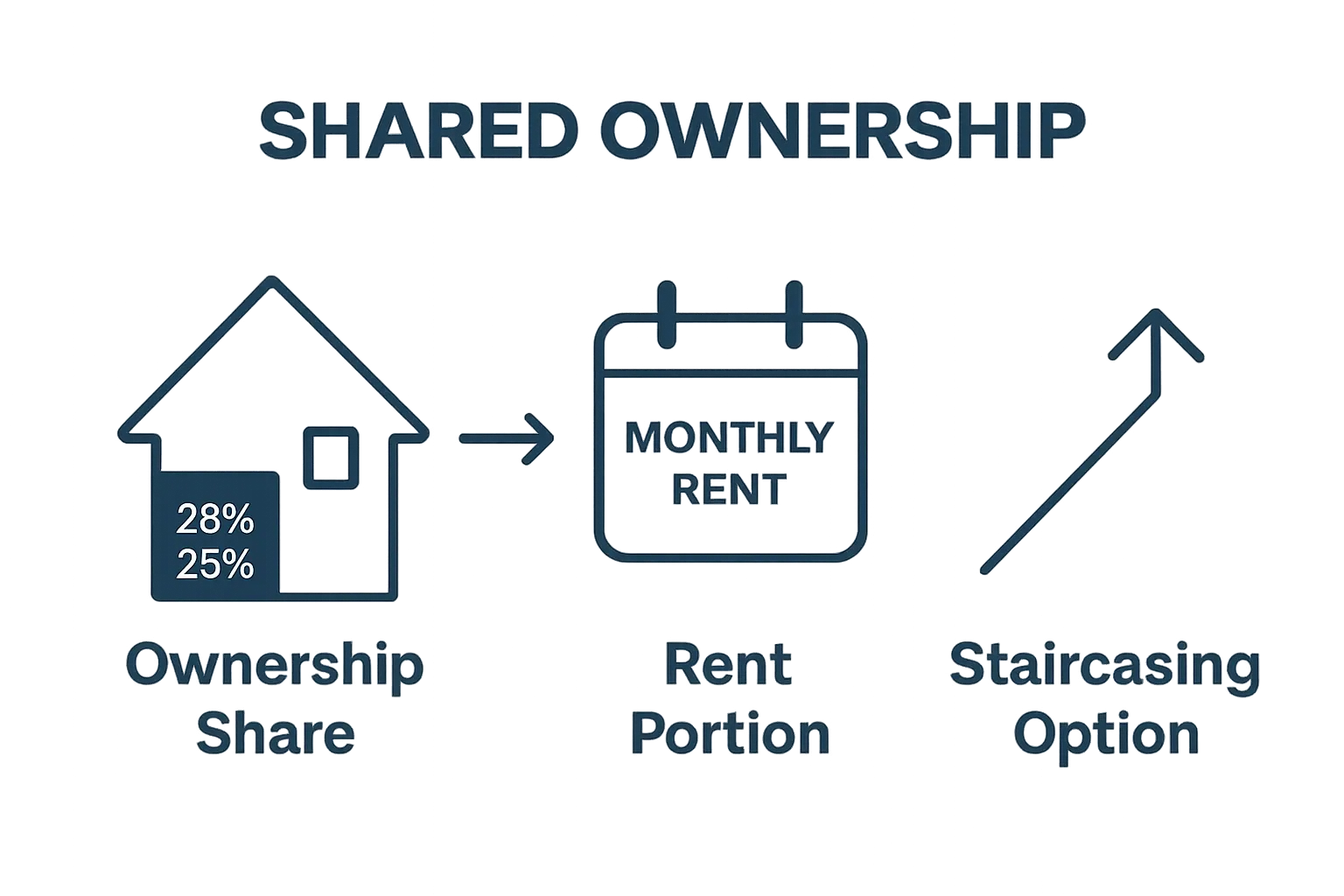
- Initial purchase of a defined property share
- Option to progressively increase ownership
- Proportional rent paid on remaining unowned shares
- Potential for full property ownership through incremental purchases
Leasehold and Housing Association Dynamics
Shared ownership properties are invariably leasehold arrangements, introducing additional legal complexities. Comprehensive conveyancing processes must carefully navigate the relationship between the property owner and the housing association, which retains ownership of the unsold property percentage.
Critical leasehold considerations involve:
- Understanding lease duration and terms
- Evaluating service charge obligations
- Assessing ground rent responsibilities
- Examining potential lease extension processes
Financial and Legal Implications
Shared ownership conveyancing demands a nuanced understanding of interconnected financial and legal frameworks. Buyers must comprehend the delicate balance between ownership rights, rental obligations, and potential future property transactions. This sophisticated approach transforms shared ownership from a mere financial transaction into a strategic pathway towards complete property ownership.

Navigating Challenges in Shared Ownership Transactions
Shared ownership property transactions present unique complexities that require careful navigation and strategic planning. Research on affordable housing highlights the intricate challenges buyers encounter throughout these specialized property purchases.
Resale and Market Limitations
Shared ownership properties introduce significant resale restrictions that differentiate them from traditional real estate transactions. Housing associations typically retain first refusal rights, which means potential sellers must first offer their property share back to the original association before marketing it independently.
Key resale challenges include:
- Limited pool of eligible buyers
- Mandatory housing association approval processes
- Potential valuation complexities
- Extended marketing timelines
Financial and Legal Complications
Comprehensive conveyancing processes must address multiple financial and legal intricacies unique to shared ownership transactions. Buyers need to understand the nuanced financial implications that extend beyond standard property purchases.
Potential financial complications encompass:
- Complex mortgage eligibility criteria
- Additional affordability assessments
- Ongoing rental obligations
- Potential staircasing cost implications
Regulatory and Eligibility Constraints
Shared ownership transactions are subject to strict regulatory frameworks that limit potential purchasers based on specific eligibility criteria. These constraints are designed to ensure the scheme remains accessible to intended beneficiaries while maintaining the integrity of affordable housing initiatives.
Eligibility restrictions typically involve:
- Household income limitations
- First-time buyer preferences
- Local authority or regional occupancy requirements
- Employment status verifications
Successful navigation of these challenges requires meticulous preparation, professional guidance, and a comprehensive understanding of the shared ownership landscape.
Below is a table summarising key challenges encountered in shared ownership transactions, clarifying the differences between each challenge for improved understanding.
| Challenge Type | Description | Notable Implications |
|---|---|---|
| Resale and Market Limitations | Restrictions on who can buy and requirements for association approval | Prolonged sale process, limited buyer pool |
| Financial and Legal Complications | Complex mortgage criteria and additional financial assessments beyond standard purchases | Increased application scrutiny, ongoing financial duties |
| Regulatory and Eligibility Constraints | Strict rules around income, first-time buyer status, and local authority requirements | Excludes ineligible applicants, limits flexibility |
Make Shared Ownership Conveyancing Simple and Secure
Purchasing a shared ownership property is often filled with uncertainty. Buyers face confusing legal documents, strict eligibility criteria, and the worry that missing details could lead to unexpected costs. Whether you are struggling with tricky staircasing options, complicated lease agreements, or the fear of overlooking a key obligation, our guide has shown these are common pain points. Shared ownership conveyancing demands careful attention to every detail, from verifying agreements to securing your financial future.
Take control of your home-buying journey with the help of our SRA- and CLC-regulated partners at Conveyancing-Solicitor.co.uk. Get an instant, fixed-fee quote from specialist shared ownership solicitors who bring clarity and confidence to your transaction. Your next move is simple—visit our Quote Page now to compare trusted legal experts across the UK and secure the best deal for your shared ownership purchase. Protect your interests and move forward today.
Frequently Asked Questions
What is shared ownership conveyancing?
Shared ownership conveyancing is a legal process that enables individuals to purchase a partial stake in a property while paying rent on the remaining share. It makes homeownership more accessible by allowing buyers to invest a smaller initial amount compared to traditional property purchases.
How does the shared ownership process work?
The process involves several key steps including an initial legal assessment, mortgage verification, and a complex legal transfer of ownership. Buyers typically start by purchasing between 25% and 75% of a property and can later increase their ownership through a process known as staircasing.
What are the legal complexities involved in shared ownership conveyancing?
Shared ownership conveyancing involves navigating specific legal frameworks, including verifying terms of the shared ownership agreement, examining leasehold arrangements, and ensuring compliance with government regulations. It requires specialized expertise to manage the intricate legal documentation associated with such transactions.
What are the potential risks of shared ownership?
Potential risks include resale complications, financial obligations tied to ongoing rent, and regulatory constraints that affect eligibility. These factors can make it imperative for buyers to thoroughly understand their contractual commitments and the legal implications of their shared ownership arrangements.
Recommended
- How to Handle Conveyancing for a Shared Ownership Property – Conveyancing Solicitor
- How to Handle Conveyancing for a Shared Ownership Property – Conveyancing Solicitor
- The Role of Conveyancers in Property Transactions – Conveyancing Solicitor
- The Legal Documents Your Conveyancing Solicitor Will Handle – Conveyancing Solicitor
